
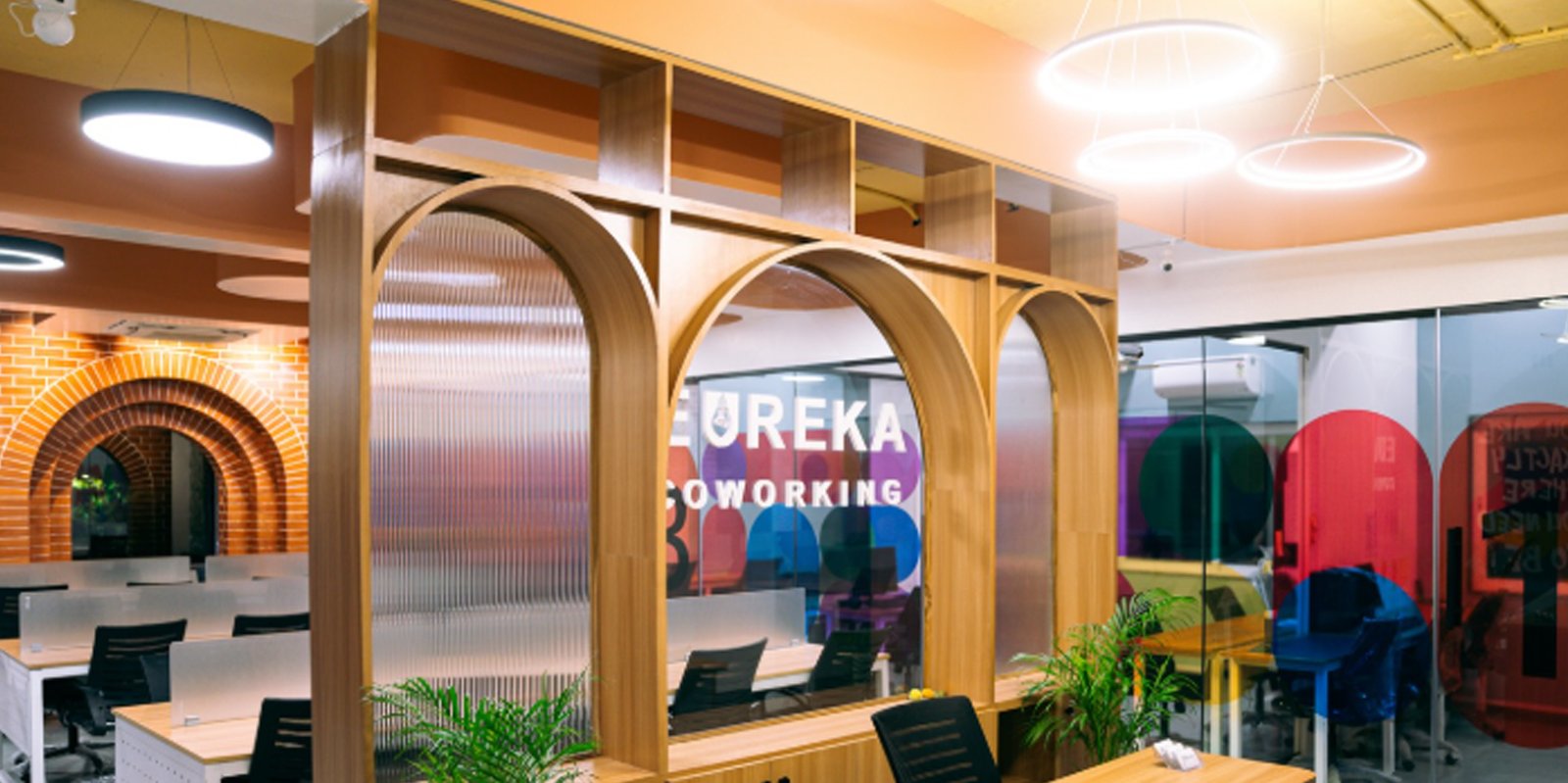
The modern workplace has evolved significantly over the last few years. Businesses today are no longer looking for just an office—they're searching for a productive environment that supports collaboration, flexibility, and long-term growth. Whether you're launching a startup, expanding your team, or relocating your company, choosing the right new office space can have a direct impact on productivity, employee satisfaction, and operational costs.
With hybrid work becoming the norm in 2026, companies are also rethinking how much space they actually need. Instead of committing to expensive long-term leases, many businesses are choosing flexible office solutions that can grow with their teams.
New Office Space in 2026: How to Choose the Right Office Space for Your Business
Finding a new office space is about much more than selecting a location. It involves evaluating office layouts, lease flexibility, infrastructure, amenities, accessibility, and overall value for money.
Whether you're considering a traditional office, a private cabin, or a modern coworking environment, understanding your business requirements first will help you make a smarter investment.
Why Businesses Are Choosing New Office Spaces
The expectations of today's workforce have changed dramatically. Employees value comfortable work environments, collaborative areas, and modern amenities just as much as salary and benefits.
As a result, companies are moving away from outdated office setups and investing in spaces that encourage innovation and teamwork.
Some of the biggest reasons businesses relocate include:
Better Flexibility
Modern office providers offer flexible membership plans instead of rigid lease agreements. This allows organizations to expand or downsize without major financial commitments.
Improved Employee Experience
A well-designed office with ergonomic furniture, natural lighting, meeting rooms, and breakout areas creates a healthier and more productive workplace.
Lower Operational Costs
Instead of investing in office setup, maintenance, utilities, and reception services separately, businesses can choose fully furnished office spaces where these essentials are already included.
Traditional Office vs Coworking Space
Every organization has different workspace requirements, making it important to compare available options before making a decision.
Traditional Office
A conventional office provides complete control over branding and operations. However, businesses are responsible for furniture, maintenance, internet, utilities, security, and long-term lease commitments.
This option is often suitable for large organizations with stable team sizes and predictable operational requirements.
Coworking Space
A coworking space offers greater flexibility and significantly reduces upfront investment. Businesses gain access to workstations, meeting rooms, high-speed internet, reception services, and modern amenities through simple membership plans.
For startups, freelancers, consultants, and growing companies, coworking spaces provide a cost-effective way to establish a professional presence without the burden of managing office infrastructure.
Factors to Consider Before Renting a New Office Space
Before signing a lease or membership agreement, evaluate the following factors carefully.
Location
Choose an office that is easily accessible for both employees and clients. Locations close to public transport and major business districts often improve convenience and reduce commute times.
For businesses operating in Maharashtra, cities like Nagpur and Pune have become attractive destinations because of their growing startup ecosystems, improving infrastructure, and competitive commercial rental costs.
Office Layout
The layout should support collaboration while also providing quiet areas for focused work.
Depending on your team size, you may require:
- Dedicated desks
- Private cabins
- Open workstations
- Meeting rooms
- Collaboration zones
A flexible layout allows your office to adapt as your business grows.
Amenities
Modern businesses expect more than just desks and chairs.
Look for facilities that include:
- High-speed internet
- Reception services
- Meeting rooms
- Housekeeping
- Pantry access
- Printing facilities
- Security
- Parking
- Air conditioning
These amenities improve the daily work experience while reducing operational responsibilities for your team.
Office Leasing vs Flexible Workspaces
Choosing between a traditional lease and a flexible workspace depends on your business goals, budget, and future growth plans.
A conventional lease usually requires a significant upfront investment in interiors, furniture, utilities, maintenance, and long-term commitments. While this model offers complete control over branding and office design, it may not suit businesses with changing team sizes.
Flexible office solutions, on the other hand, provide ready-to-use infrastructure with shorter commitments. Companies can move in quickly, avoid costly setup expenses, and scale their workspace as their requirements evolve.
For startups and growing businesses, this approach often reduces financial risk while improving operational efficiency.
What Influences the Cost of a New Office Space?
The price of an office isn't determined by location alone. Several factors affect overall occupancy costs.
Size and Space Requirements
The number of employees, required workstations, private cabins, and meeting rooms directly influence the amount of space needed.
Rather than renting more than necessary, businesses should estimate their future growth and choose a layout that offers room for expansion without increasing unnecessary expenses.
Facilities and Services
A fully furnished workspace often includes internet connectivity, security, housekeeping, reception support, utilities, and access to shared amenities.
When these services are included, businesses can better predict monthly expenses and avoid unexpected maintenance costs.
Lease Flexibility
Shorter agreements provide greater flexibility, while long-term leases may offer stability for organizations with fixed operational plans.
Before signing any agreement, review the lease terms carefully and understand what services are included in the overall pricing.
Why Nagpur and Pune Are Emerging Business Destinations
While metro cities continue to attract businesses, Nagpur and Pune have become preferred locations for entrepreneurs, startups, and established companies looking for cost-effective office solutions.
Pune is known for its thriving IT sector, educational institutions, manufacturing industries, and vibrant startup ecosystem. The city offers access to skilled professionals while supporting businesses across technology, consulting, design, and professional services.
Nagpur is steadily evolving into an important commercial hub with improving infrastructure, excellent road connectivity, expanding metro services, and competitive commercial rentals. Its central location makes it an attractive destination for companies serving clients across different regions of India.
Both cities offer the advantages of a growing business ecosystem without the significantly higher costs associated with larger metropolitan markets.
Finding the Right Workspace for Your Business
Every organization has unique operational needs. Some teams require private offices for confidential work, while others benefit from collaborative environments that encourage networking and idea sharing.
When evaluating a new office space, consider:
- Accessibility for employees and clients
- Flexible expansion options
- Quality of infrastructure
- Availability of meeting rooms
- Internet reliability
- Security and maintenance
- Overall value rather than price alone
Selecting a workspace that aligns with your long-term goals often proves more valuable than choosing the lowest-cost option.
How Eureka Coworking Supports Growing Businesses
Businesses today need more than just an address—they need a workspace that adapts as they grow.
Eureka Coworking offers flexible office solutions in Nagpur and Pune, making it easier for startups, freelancers, SMEs, and established companies to operate from professionally managed workspaces.
Members can choose from:
- Dedicated desks
- Private cabins
- Meeting rooms
- Shared workspaces
- High-speed internet
- Reception support
- Modern business amenities
Whether you're setting up your first office or expanding your team, flexible membership plans allow you to scale without the complexity of managing traditional office infrastructure.
Frequently Asked Questions
What should I consider before choosing a new office space?
Evaluate the location, team size, lease flexibility, amenities, internet connectivity, parking, and future expansion requirements before making a decision.
Is a coworking space better than a traditional office?
It depends on your business needs. Coworking spaces are ideal for businesses seeking flexibility, lower setup costs, and shared amenities, while traditional offices may suit organizations requiring complete control over their premises.
How much office space does a growing team need?
The ideal requirement depends on your work style, seating arrangement, meeting room usage, and projected team growth. Planning for future expansion can help avoid frequent relocations.
Why are businesses moving to Nagpur and Pune?
Both cities offer excellent infrastructure, skilled talent, growing business communities, and competitive commercial rental options compared to larger metropolitan cities.
Can I upgrade my workspace as my business grows?
Yes. Flexible workspace providers allow businesses to move from individual desks to private offices or larger team spaces without changing locations.
What amenities should a modern office include?
A productive workplace should provide high-speed internet, meeting rooms, ergonomic furniture, security, housekeeping, reception services, pantry facilities, and collaborative common areas.
Conclusion
Choosing a new office space is an important business decision that influences productivity, employee experience, and long-term operational efficiency. Instead of focusing only on rental costs, businesses should evaluate flexibility, infrastructure, amenities, accessibility, and future growth potential.
As work models continue to evolve, professionally managed workspaces have become a practical solution for companies seeking convenience without long-term commitments. Whether you're launching a startup, relocating your operations, or expanding your team, selecting the right environment can support collaboration, improve efficiency, and create a stronger foundation for growth.